9+ curated guides • Updated January 2026
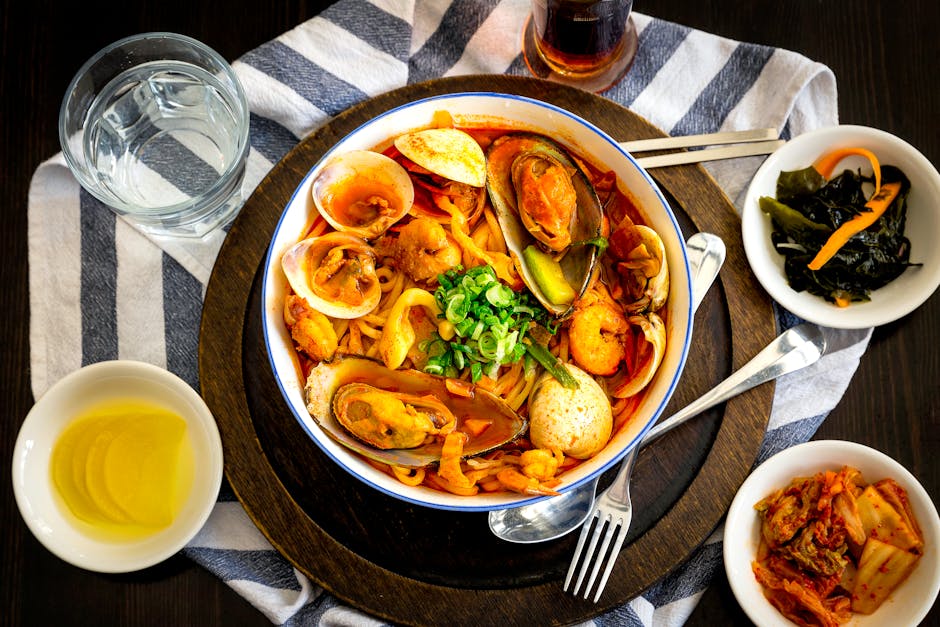
Forget the Dow Jones or the NASDAQ. To truly understand the pressures on the South Korean economy and the real-world impact of climate change, you need to look at the price of Napa cabbage. This is the story of the 'kimchi index,' the humble economic indicator that holds a nation's anxieties in a single, fermented jar. In Seoul, the cost of making kimchi isn't just a dinner table calculation; it's a street-level reading of the nation's economic pulse, a more tangible measure of inflation than any government report. This index doesn't track stocks or bonds; it tracks the volatile price of cabbage, garlic, and chili—the essential components of a dish that sits on nearly every Korean table, every single day.
The landscape of American suburbia is a graveyard for casual dining chains. Bennigan's, Steak and Ale, Ruby Tuesday—all fallen giants. Yet, one familiar red chili pepper sign still glows brightly, defying the odds. This isn't a story about baby back ribs; it's the untold story of shrewd strategy and brutal efficiency that turned a simple bar & grill into an unkillable icon. We're not just looking at a survivor; we're dissecting a masterclass in economic pragmatism. While competitors were chasing fleeting culinary trends, Chili's was fortifying its foundations, optimizing its engine, and mastering the art of being reliably, unapologetically itself. This analysis deconstructs the three core pillars of its resilience: surgical operational focus, masterful market positioning, and a prescient embrace of technology.
That perfectly curated meal prep box promises to solve everything: your hectic schedule, your dinner dilemmas, and your health goals. But before you click 'subscribe' on the promise of effortless eating, it's time to look past the price tag and ask what you're really paying for. The weekly fee is just the cover charge. The real admission price is paid in single-use plastic, nutritional compromises, and the slow erosion of one of life's most fundamental skills: feeding yourself. We're here to pull back the curtain on the glossy marketing and examine the inconvenient truths packed inside that convenient little box.
You’ve watched the tutorials and practiced the intricate knots, yet your casual scarf still looks... deliberate. The secret to that coveted, 'I just threw this on' vibe isn't in another complicated tying technique; it's in forgetting them entirely. This isn't about adding another step to your routine; it's about stripping away the artifice. We've been sold a lie that complexity equals sophistication. In the realm of casual wear, the opposite is true. True style is about intuition, movement, and the quiet confidence of imperfection. It's time to unlearn the rules and embrace the drape.
That familiar ache in your shoulder at 5 PM isn't just from hunching over your desk; your beloved, overstuffed tote is the stylish culprit. We've been taught to accept that a chic office bag means inevitable back pain. What if your most powerful accessory was also your most supportive one? As a physical therapist who spent years treating the consequences of so-called 'it-bags,' I've pivoted to style consulting with a clear mission: to reframe our perception of luxury. True luxury isn't a logo that causes you pain; it's intelligent design that empowers your day and protects your future. This isn't about choosing between style and well-being. It's about demanding both.
You've been told a lie: that 'healthy' and 'delicious' can't coexist on the same plate. The truth is, flavor isn't about adding more fat or sugar; it's about chemistry. Forget boring steamed broccoli and discover how a few simple scientific principles can unlock deep, indulgent flavors in the healthiest of ingredients. As a chef who spent years in a food science lab, I'm here to hand you the keys to the kingdom of flavor. We're not just cooking; we're running delicious experiments. Below are five recipes, each a masterclass in a specific chemical reaction that turns bland into brilliant. Prepare to reprogram your palate.
You've seen it happen: the dreaded orange pool of grease separating on top of your masterpiece dip. The cheese has gone from a glorious pull to a rubbery clump. This isn't a recipe failure; it's a science problem, and we have the simple, foolproof solution. Forget every 'dump and bake' buffalo chicken dip recipe you've ever seen. They are leaving your success up to chance. We're going to approach this party staple not as cooks, but as food scientists. The key to a luxuriously smooth, scoopable, and stable dip isn't a secret ingredient—it's understanding the battlefield of molecules in your mixing bowl. We will control the emulsion, manage the protein matrix, and leverage the power of starch to create a dip that holds together beautifully from the first scoop to the last, even after sitting on the buffet table for an hour.
You've seen it shimmering on the H&M rack—the chain scarf. It's bold, a little intimidating, and it's calling to a more daring version of you. Before you dismiss it as 'too much' or a fleeting trend, consider this: what if this one accessory is the cheapest experiment you can run to unlock a whole new level of personal style? This isn't just another piece of metal; it's a litmus test. For less than the cost of a weekend brunch, this single item offers a portal into the high-fashion hardware trend that has dominated runways from Bottega Veneta to Givenchy. We're not just reviewing an accessory; we're proposing a hypothesis: that this chain scarf can tell you more about your style evolution than a dozen magazine quizzes.
You've been told to eat 'good food' your whole life, likely for reasons related to weight or heart health. But what if the most compelling reason has been overlooked? We’re now discovering that the food in your gut sends direct signals to your brain, powerfully shaping your mood, focus, and anxiety levels every single day. For decades, the dietary conversation has been dominated by a simplistic, mechanical view of food as fuel, measured in calories and macronutrients. This paradigm is being dismantled by a revolution in neuroscience and microbiology. The new frontier isn't on your plate; it's in the complex, bustling ecosystem within you. We're talking about the gut-brain axis: a biochemical superhighway where trillions of microbes are constantly sending dispatches to your central nervous system. This article isn't about another diet. It's about a fundamental shift in understanding—viewing food not as a number, but as information that programs your mental and emotional state.